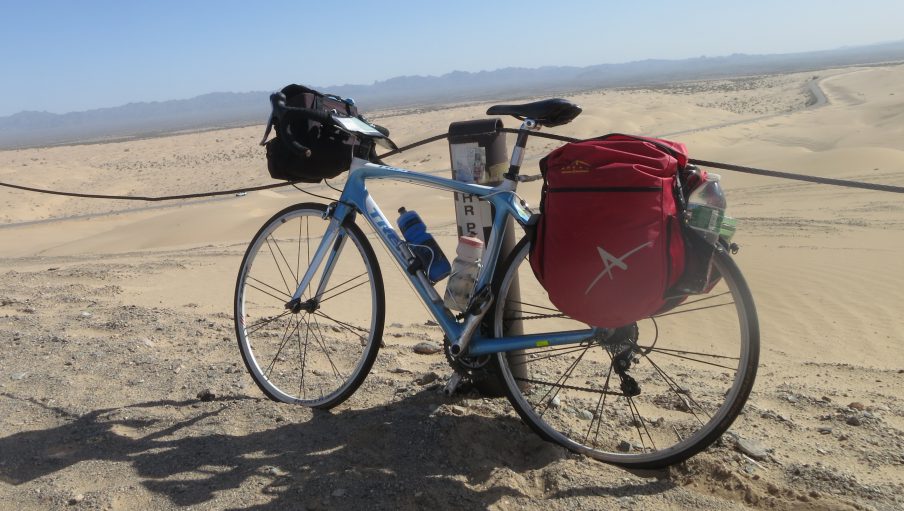
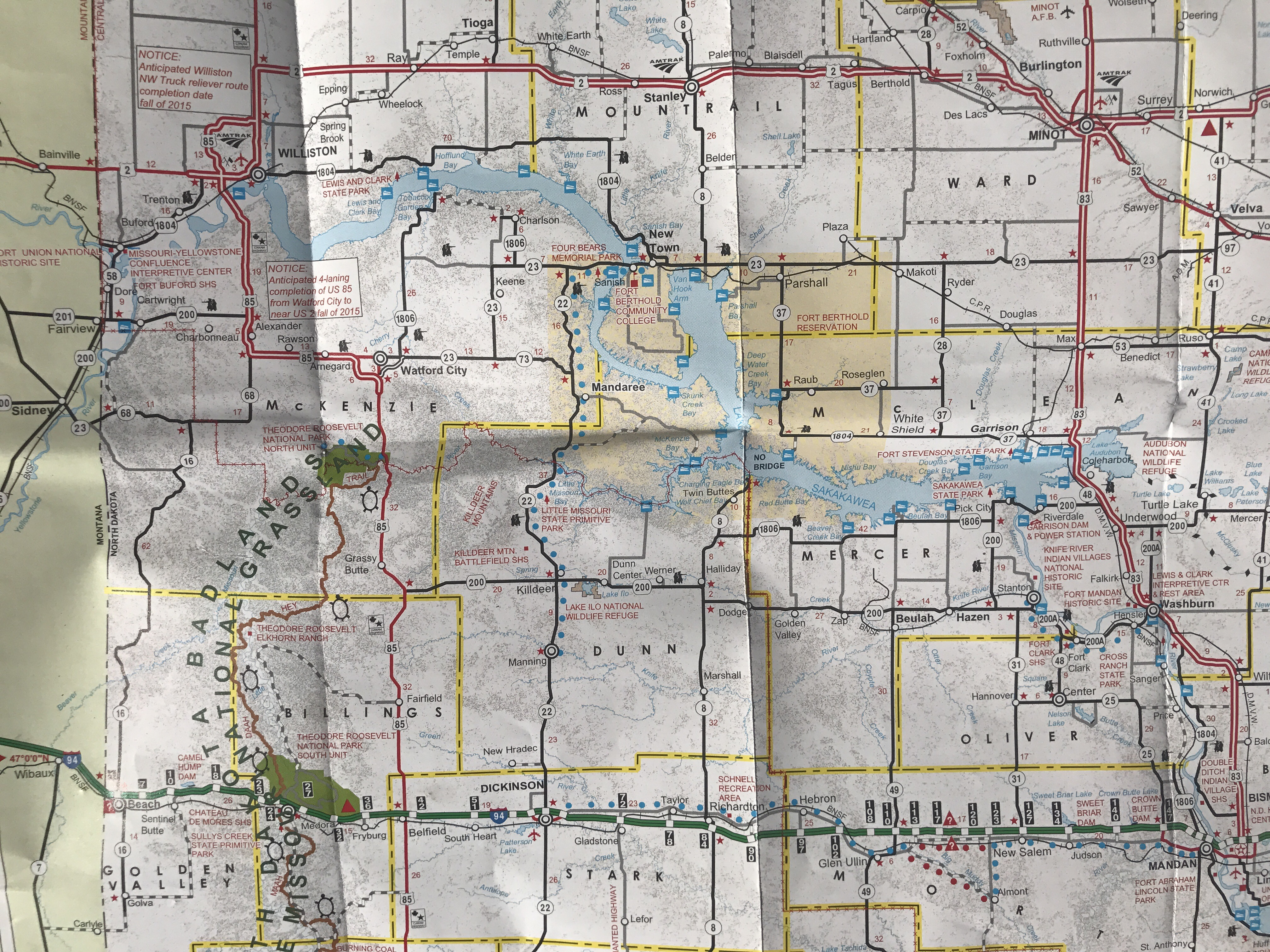
Tomorrow we’ll cross the 100th meridian. This map has been on our minds.

The dots represent rainfall: less than 20 inches per year west of the 100th meridian; more than 20 inches east of it. The air suddenly feels familiar, as it it is smearing moisture on one’s skin instead of sucking moisture out. There are still no trees except planted specimens in windbreaks and city parks, but the tended trees are big and lush instead of trying to expire. I saw the first backyard vegetable garden today. It’s exciting to enter our home half of the rain map. Now we will put the fly on the tent, and we won’t expect our washed biking clothes to dry out overnight. The other big deal about the 100th meridian is that now we are between Bismarck and Fargo. For us, that’s about exotic as it gets in the lower 48. How’s this for exotic:
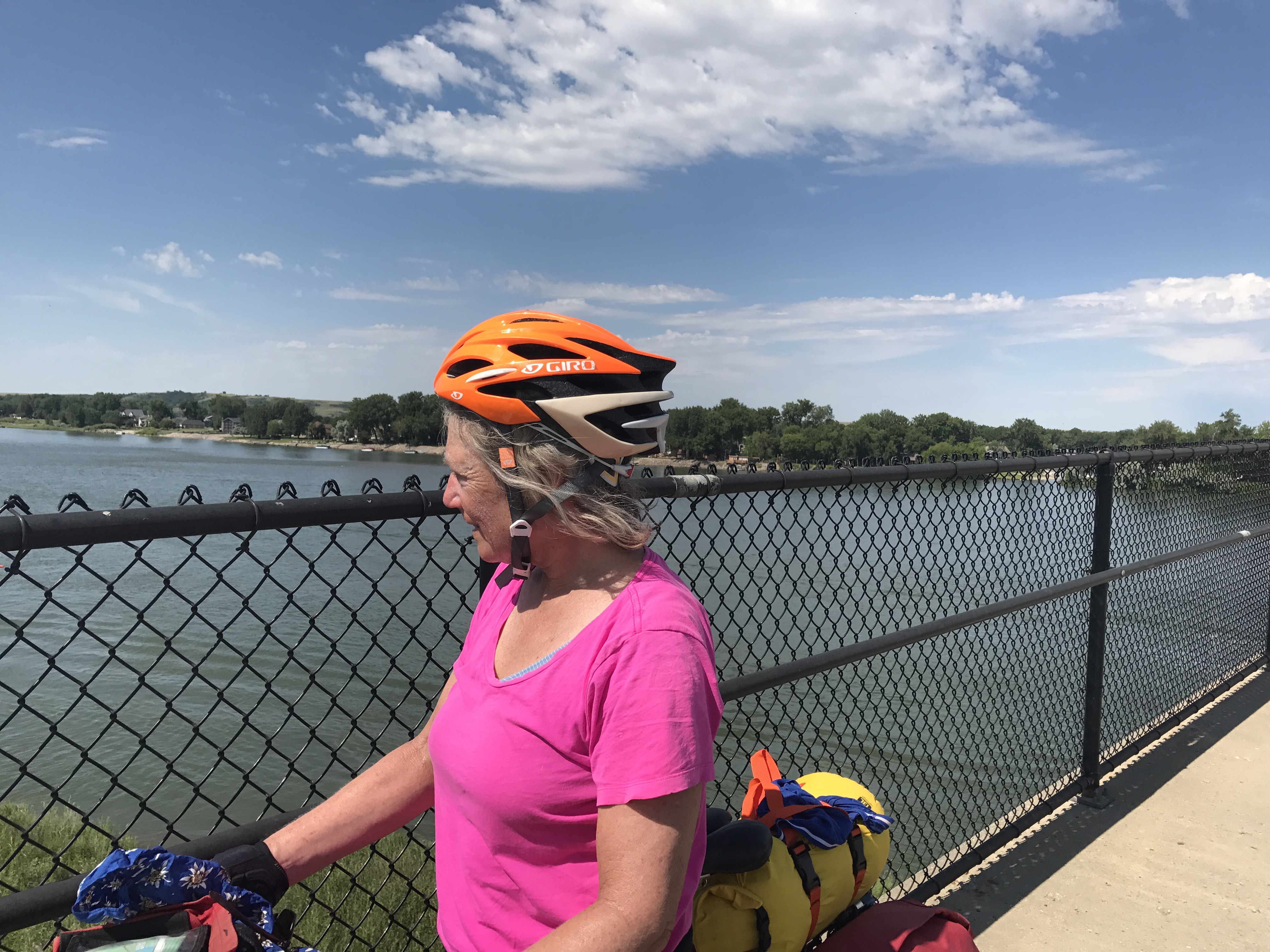
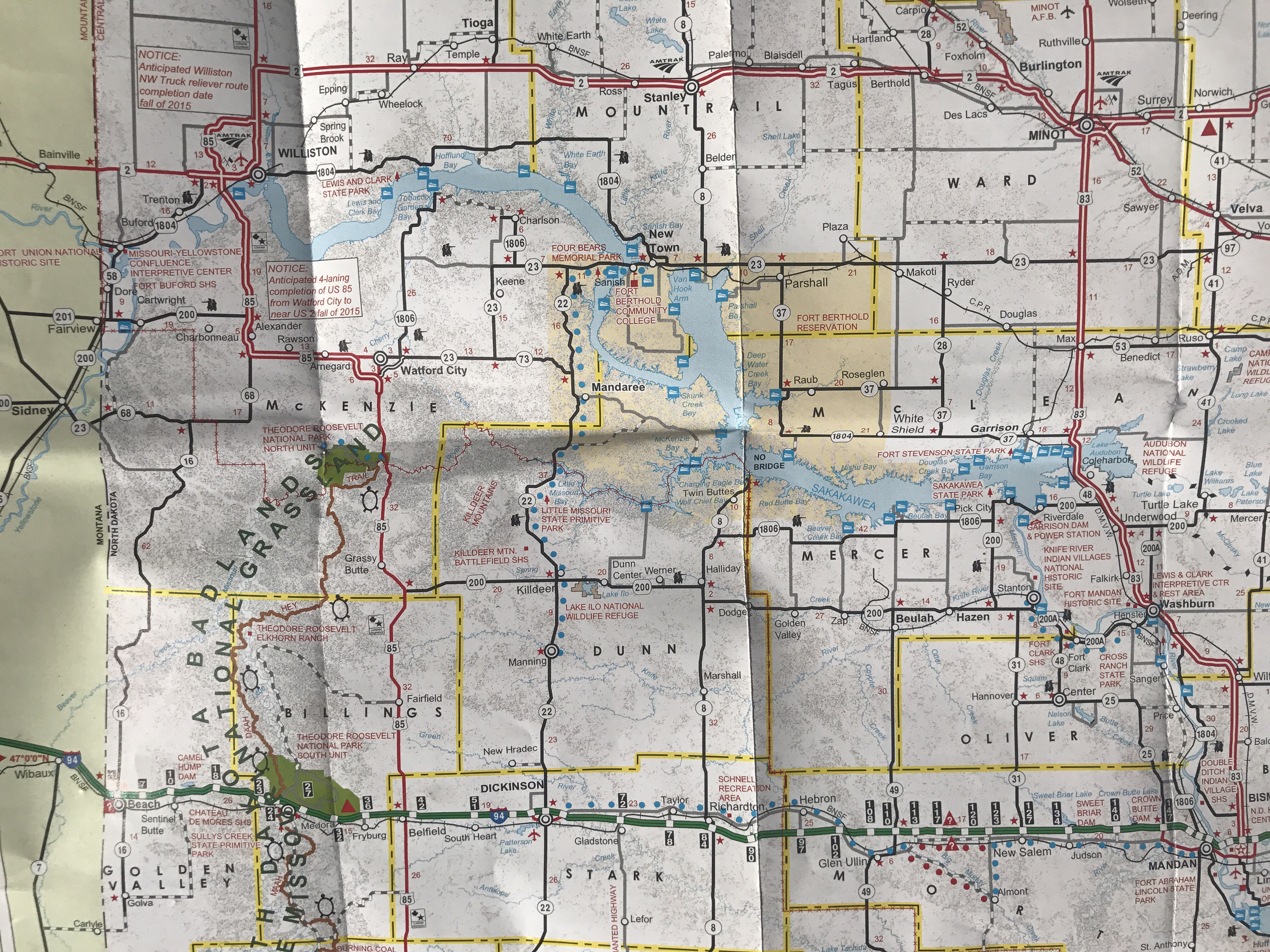
We’ve crossed the Missouri River, our guide for many weeks. Now it heads southeast, on to St. Louis, while we stay north.
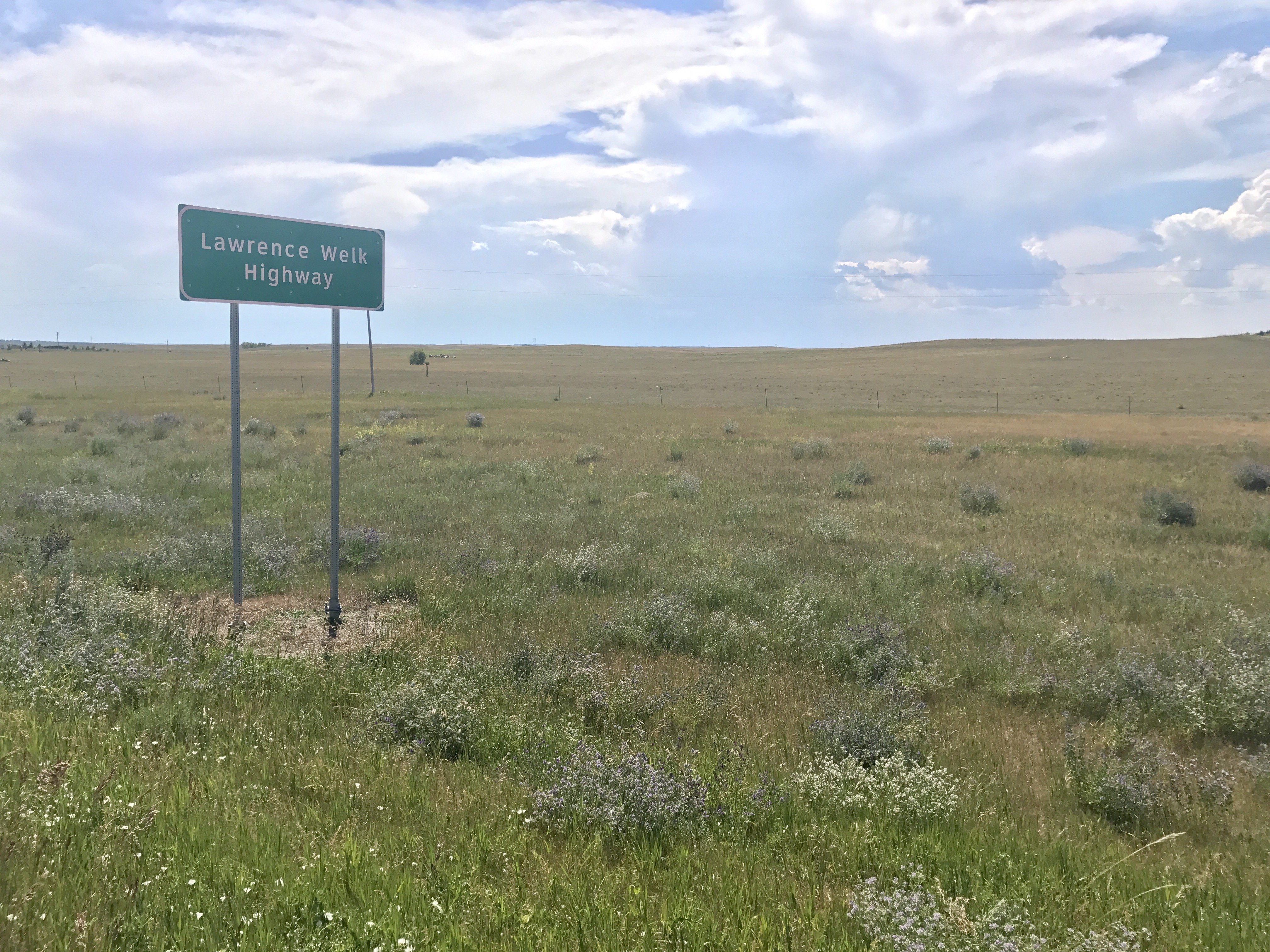
North Dakota has been a bit hard to love, I confess. First, our route is often on the Interstate.
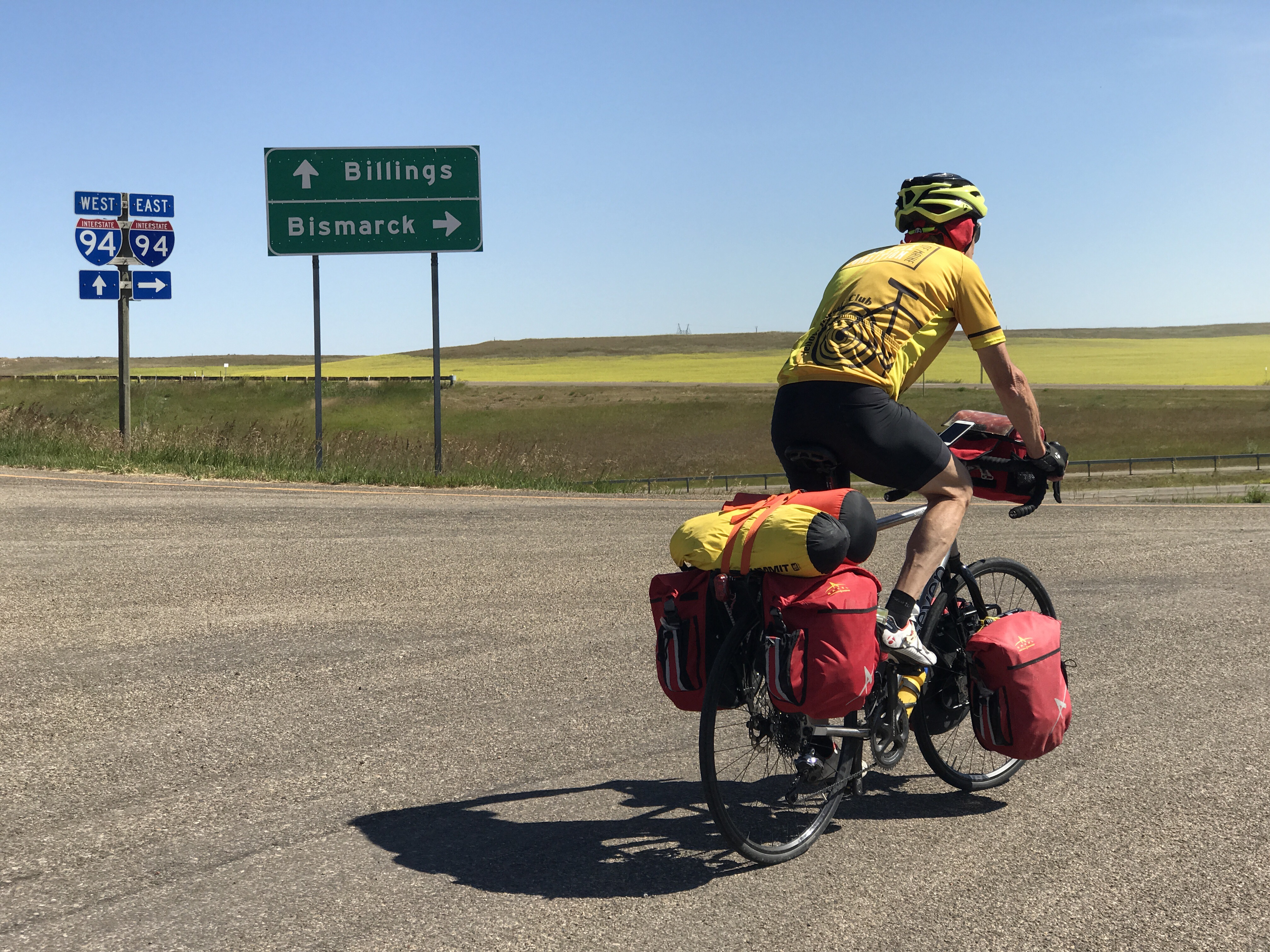
Adventure Cycling’s route used to cross North Dakota though Williston, about 75 miles further north, because the area was less traveled, and one of the company’s goals is to bring business to small towns. However, intensive fracking in Williston means heavy truck traffic, and the absence of a road shoulder makes for unsafe biking. Adventure Cycling rerouted to this more southerly crossing. We sometimes ride on a lovely and quiet country road, but when that turns to red dirt, the map puts us back onto I-94.
Biking on the shoulder of an interstate highway feels illicit, but it’s allowed, and it’s actually not dangerous because the shoulders are wide and mostly free of debris. In the North Dakota there are rumble strips in the shoulder perpendicular to travel and extending almost to the edge of the pavement. That is a definite nuisance, but luckily most strips end just short of the edge, so you can slip past without going over the washboard.
My next complaint, given that I have the complaining stick, is that we’ve had strong headwinds or crosswinds every day in North Dakota. All you can do is put your head down and pedal hard. You see even more roadkill that way, unfortunately. I see many creatures I recognize, plus a few new ones.
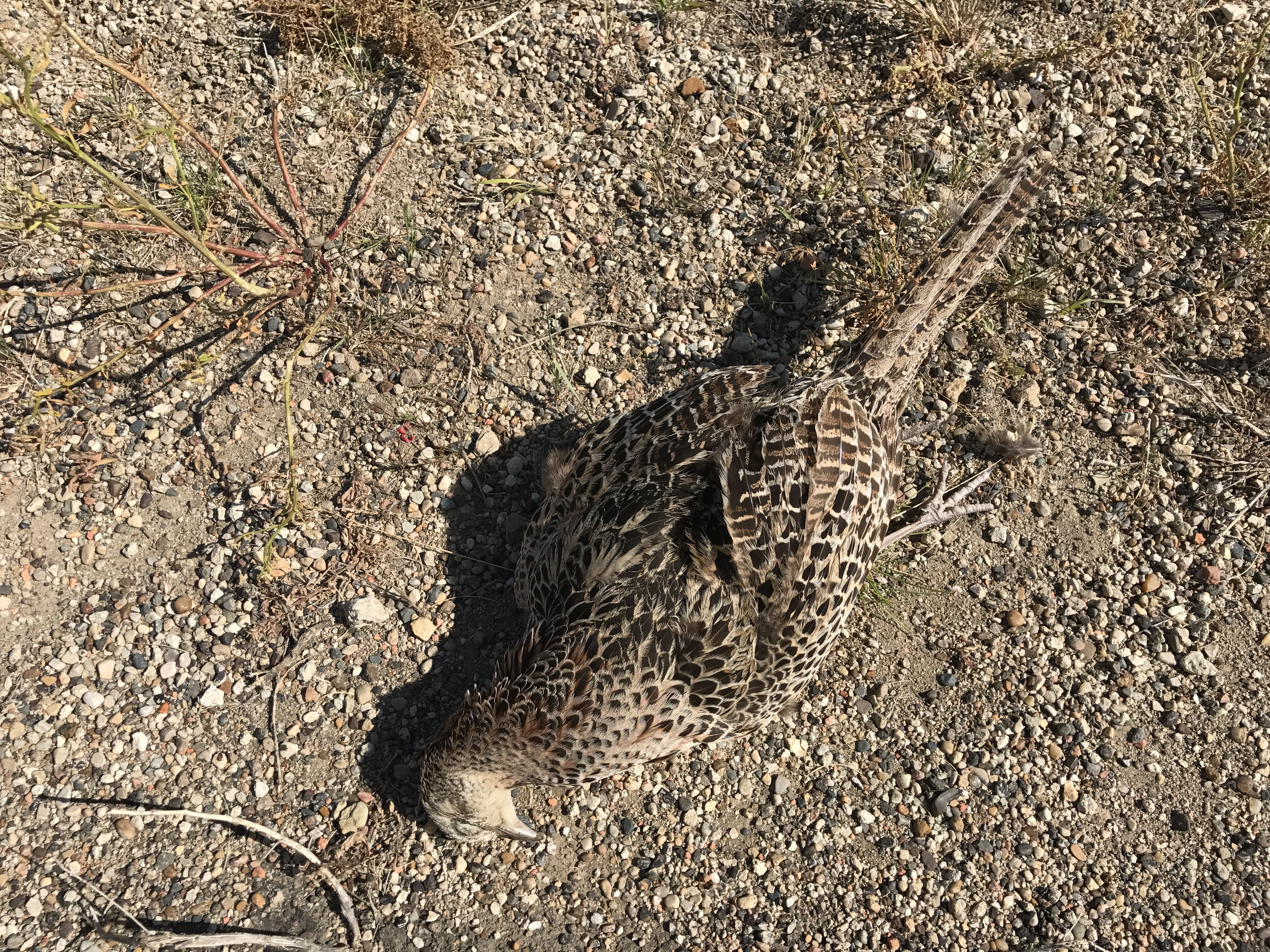
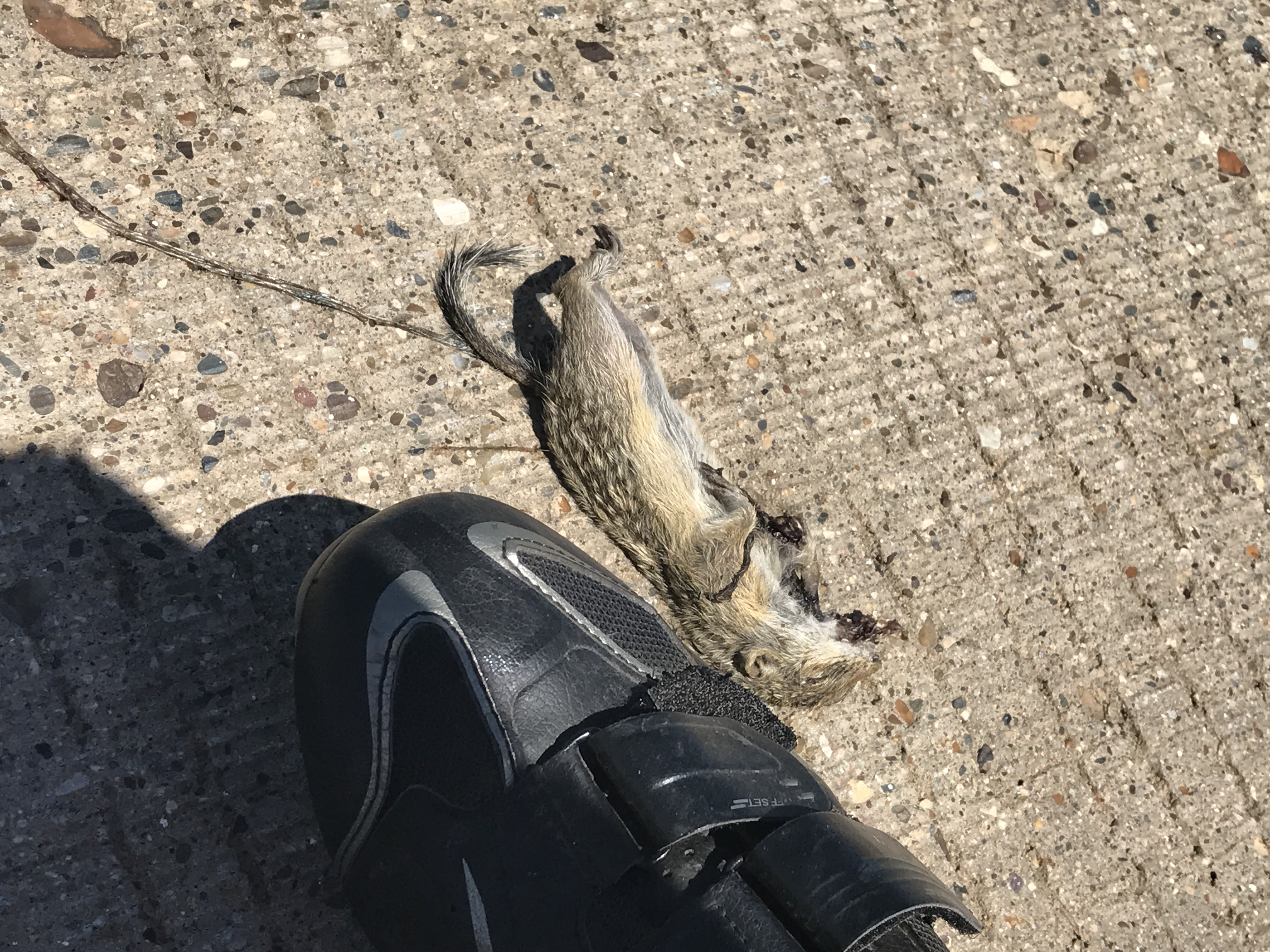
The land is cultivated on every side. The farmers bale up even the grass in the strip between the road and the field fences, surely scooping up the baby birds of the ground nesters who are using the only spot left to them. My head down against the wind, despairing of man’s using all of the land except for the little we have put into parks, I got to thinking my next read will be E.O. Wilson’s book that makes the case that in order to preserve the wildlife entrusted to us, we must leave half of the earth to nature.
We are so deep into Red State territory that my voice feels tiny. The bartender the other night said “If Hillary had been elected we wouldn’t have been able to keep doing any of this.” I admire people making their livings and their lives in this empty, treeless land where strong wind is a constant. But as I stare down at the road, head down against the wind, I can’t help dwelling on what the bartender wanted to be sure they could keep doing.
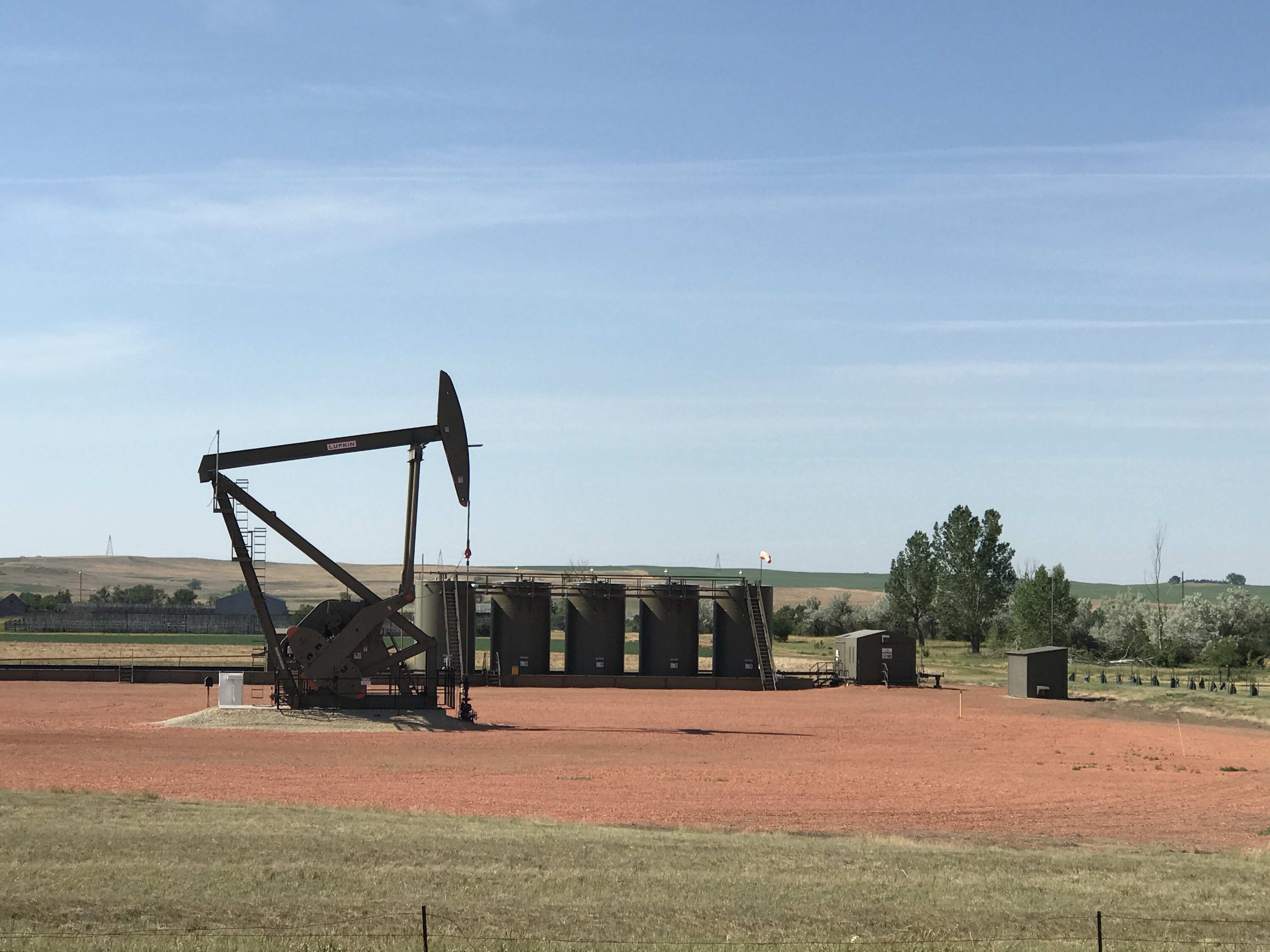
First, fracking. Here’s a fracking well just going in, and one in operation.

Then there’s ethanol. Here’s the plant just down the road from our motel. At first I liked the plant’s smell of maple syrup and strong sour dough, but one grasps very quickly what a burden this dominating odor is for the town. The motel owner sighed and said the wind usually blows the other way. (She also had a memorable explanation for why we shouldn’t bother to lock up our bikes: “Everyone here is too fat and lazy to want to use those things anyway.”)
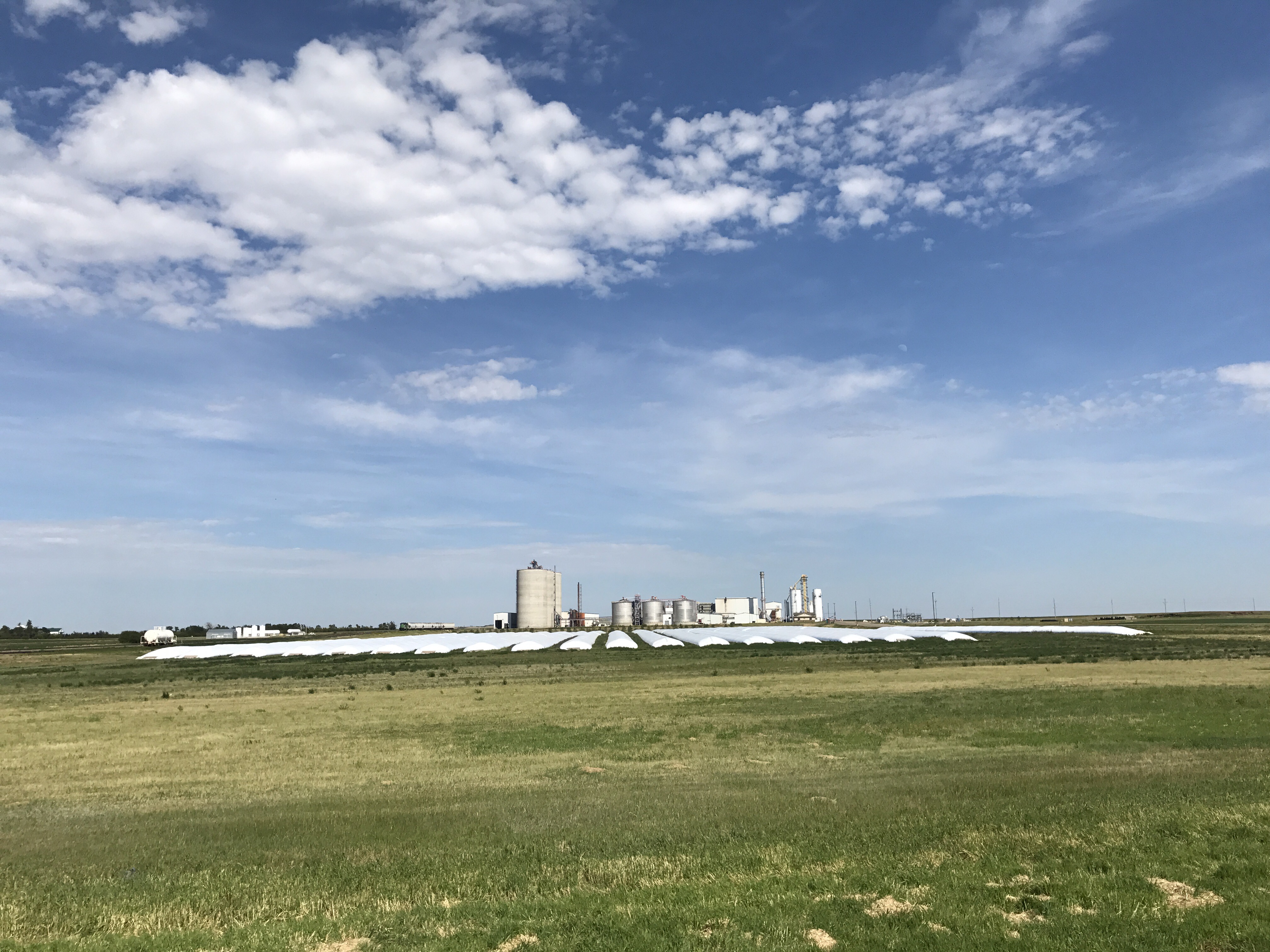
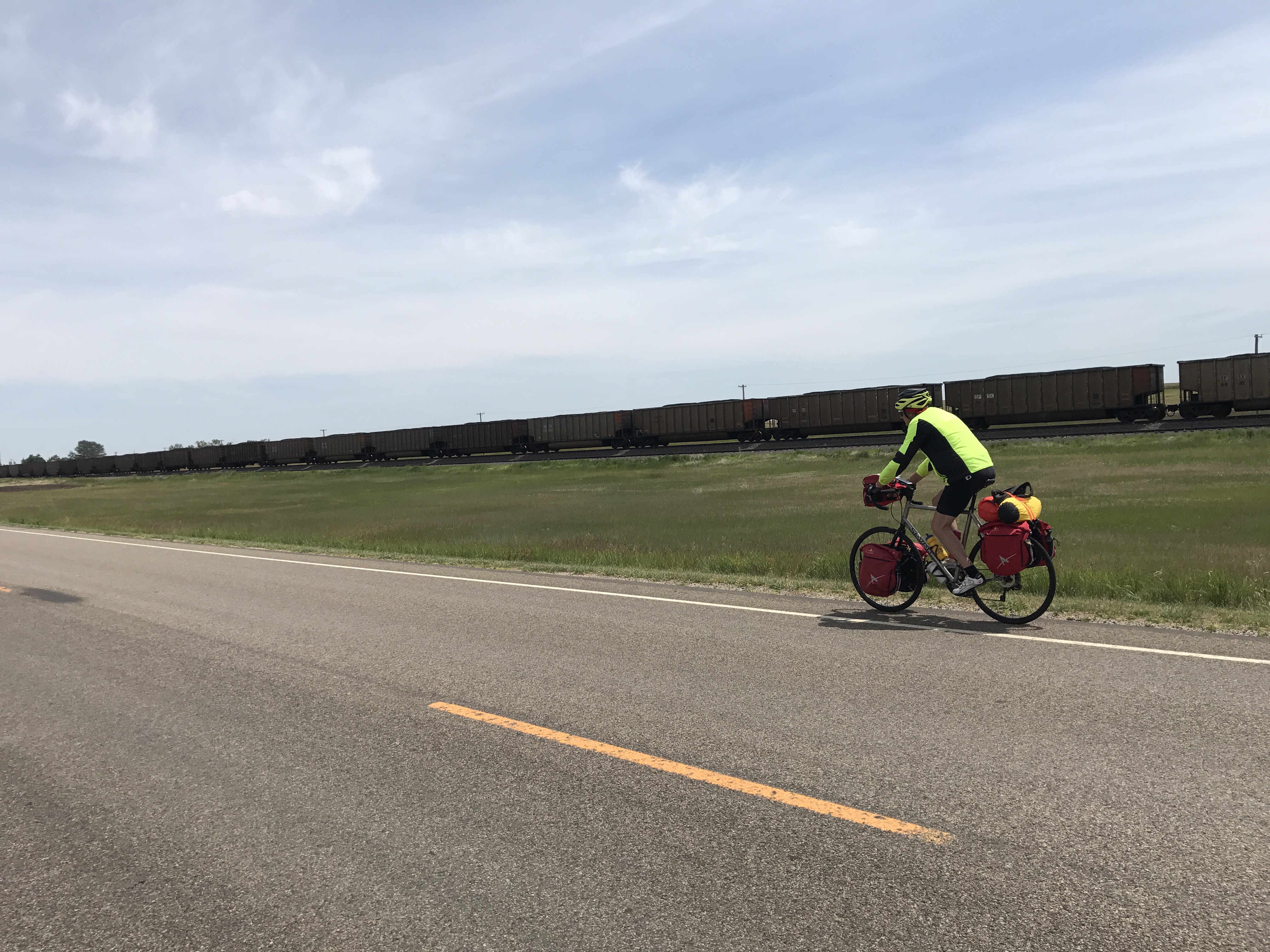
The white in the front of the ethanol plant is bags of corn stacked up to keep the plant running through the winter. A train track runs is there to provide the coal for the cooking the corn. Mark had some choice words about the efficiency of fermenting and distilling corn with coal to make fuel. Here he is in front of a coal train.
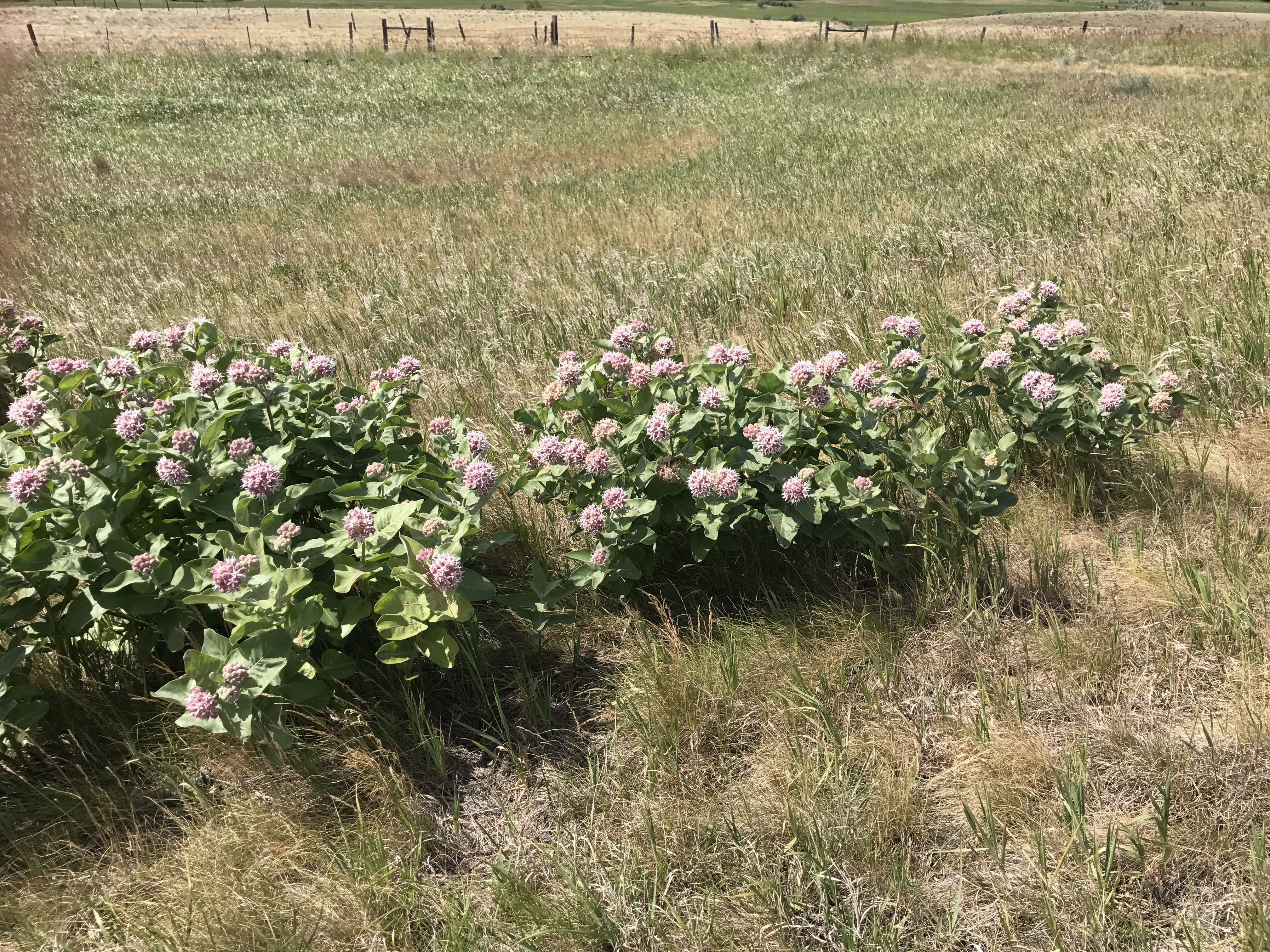
With the federal ethanol incentives, farmers plow every available spot, and there is almost no milkweed left for the Monarch butterflies to use on their migration. Can a butterfly find this patch when the next one is thirty miles away?
One more thing I thought about is the practice of attaching Indian names to alterations we have made to the landscape. The impoundment behind Garrison Dam on the Missouri River is named Lake Sakakawea (Sacajawea). Apparently three sections in the adjacent state park are named for the Indian villages that were inundated by the lake. Today we went through a suburb of Bismarck named for the Mandan Indians.
Enough whinging. Getting oneself across a continent on just muscle power is a great opportunity. At the very least, the view from a bicycle seat of all the variety in the states inspires wonder that we all exist under one government.
Today, Independence Day, has been a good time to contemplate this achievement. Bismarck was holding a big parade. I felt such tenderness for the little girls from the Bismarck gymnastics academy waiting on float #62 for the parade to start.
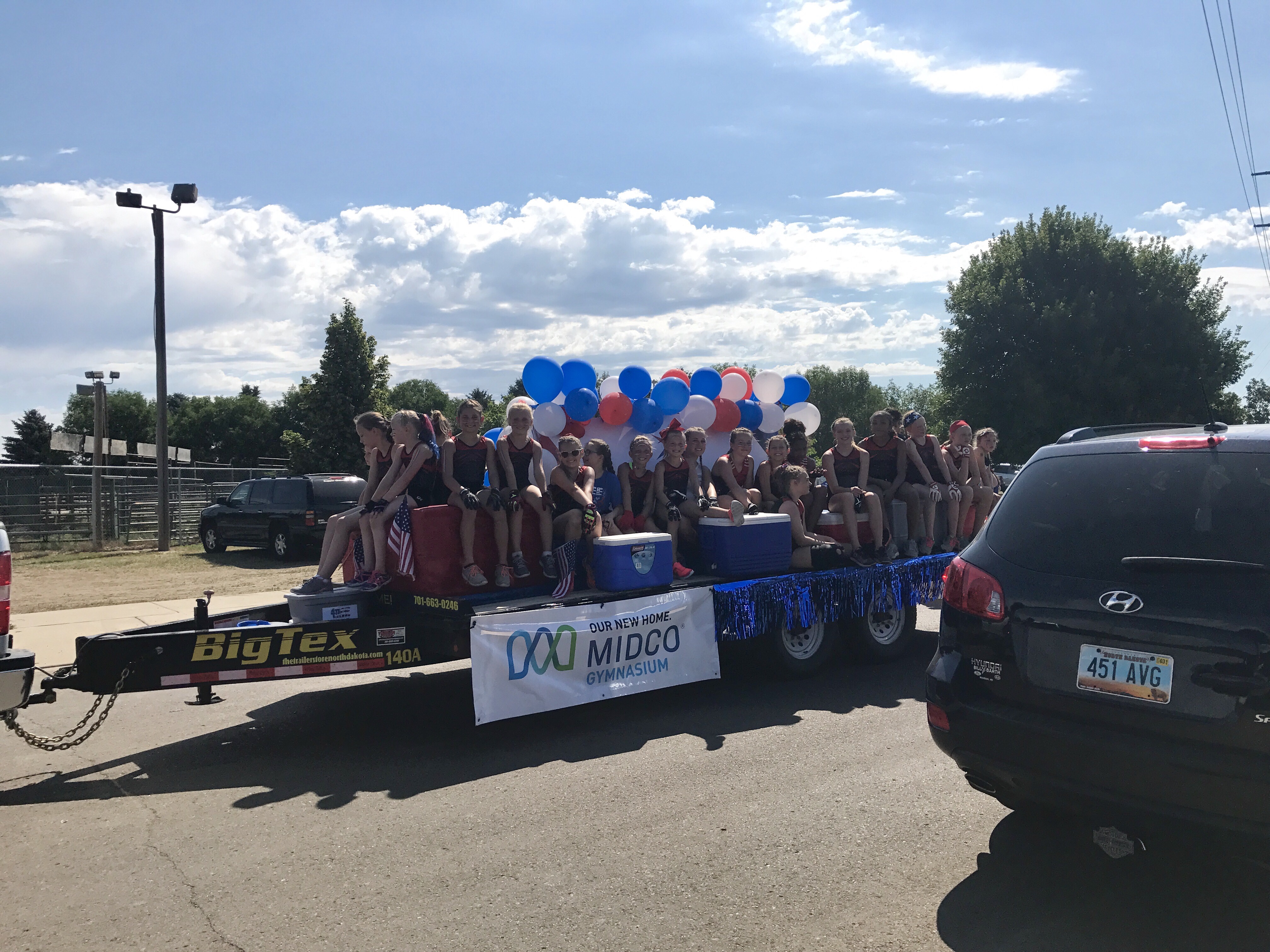
Mark didn’t want to stop to watch. Sylvie, you have seen this: on bike trips we aren’t good at stopping for anything except photos, roadkill, and snacks. But he was right — we had many miles to go before the next chance to camp. As it turned out, today we rode 81 miles, with a crosswind and temps in the 90s. We found out we still can get totally wiped out.
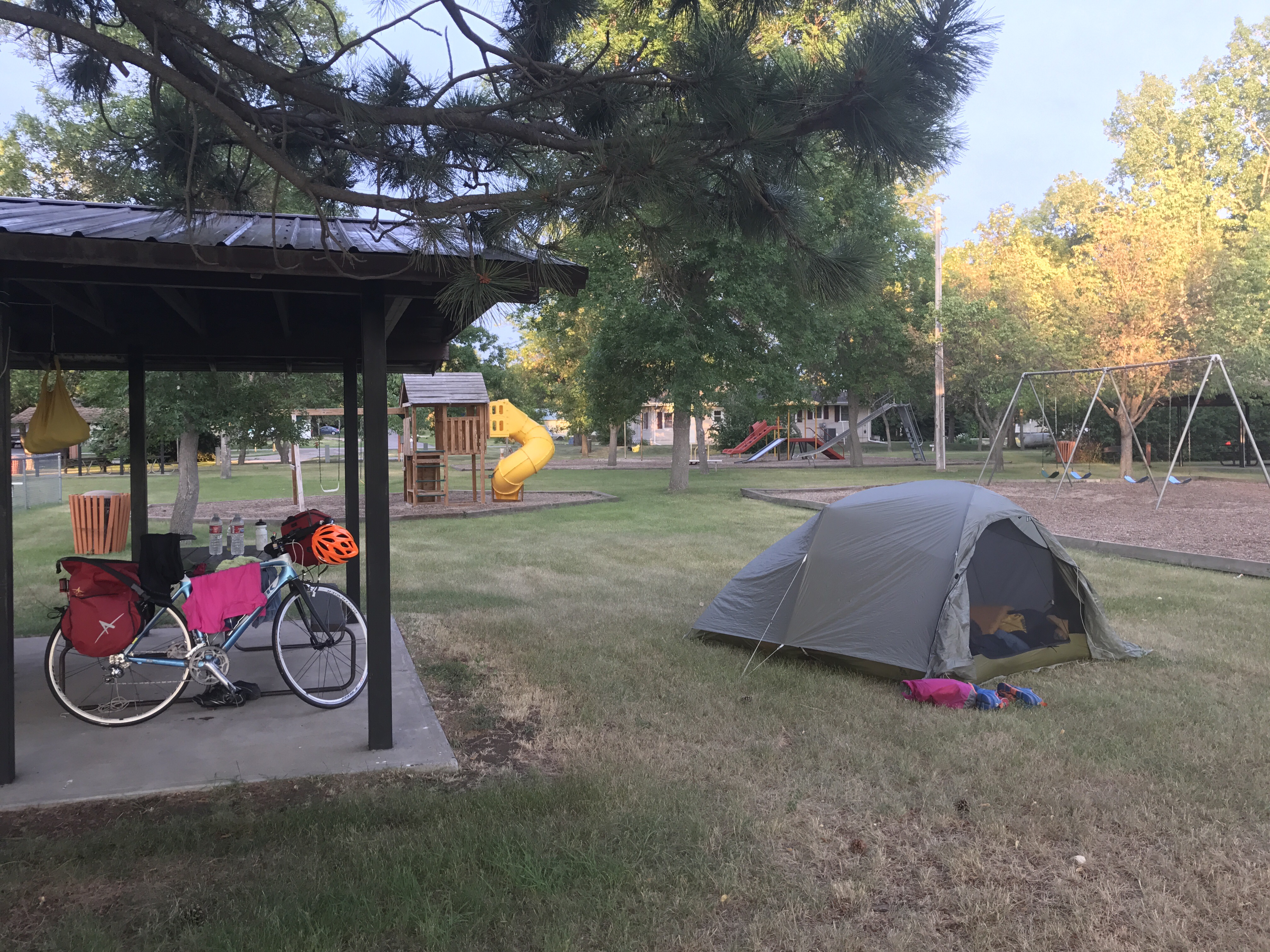
This feels like the middle of the trip. We’re old hands at the job. The elastic in my bike shorts is giving out, and all the gear is grimy. We’ve learned that a town park with a water spigot and a portopottie is a good camping spot. Too bad the restaurant in town was closed for the Fourth. Dinner was hotpockets microwaved at the convenience store. And so, good night.
 Baked Potatoes
We crossed Continental Divide today and are working our way across Wyoming. Lots of long hard hot days but so far so good.
Sent from my iPhone, please forgive typos and other glitches
>
LikeLike
Super. How’s the wind?
LikeLike
Karen- Thank you for taking the time to record your thoughts and observations as you cross the country. I love reading this! My mind whirls as I journey with you- the transition from western golds to eastern greens- the shocking wide open destruction of so much midwestern landscape (especially after seeing those millions of acres of protected BPL land in the west)- camping in the town park. I remember a memorable meal of Belvitas and Nutella under a town park gazebo in central Florida, escaping the sun and eating the only non -fried sustenance we could find. The things we do……so happy you both are still safe and healthy. Ride on!
LikeLike
Thanks, Cindy. I don’t think there are any vegans for several more states.
LikeLike
We found you have to hit the greasy, ubiquitous Thai restaurant or find a college town- these typically have some sort of healthy, funky place to eat. Otherwise you are SOL!
LikeLike
Hot Pockets! Oh my – you are true adventurers. I’m traveling along with you, Phil and Dean Bingham – all of you remarking on the heat and the wind. I love your observations on what is being done to the land (don’t love what is being done of course). We have some lovely cool nights waiting for you at home.Safe travels – thanks for posting!
LikeLike
How about cool days? I’m interested.
LikeLike
Every congressperson should be required to cross the country this way. Once again, bravo and thank you so much for sharing your observations. I thought of you yesterday as Scout and I came upon, what I think, was Fisher scat. Who else can I share that tidbit with ? Look forward to your return.
LikeLike
Nice. Could you send me a photo if you have one? What made you think fisher?
LikeLike
Mark must have been seething at the energy choices made. The photography and writing is wonderful.
LikeLike
Thanks a lot, Peggy.
LikeLike